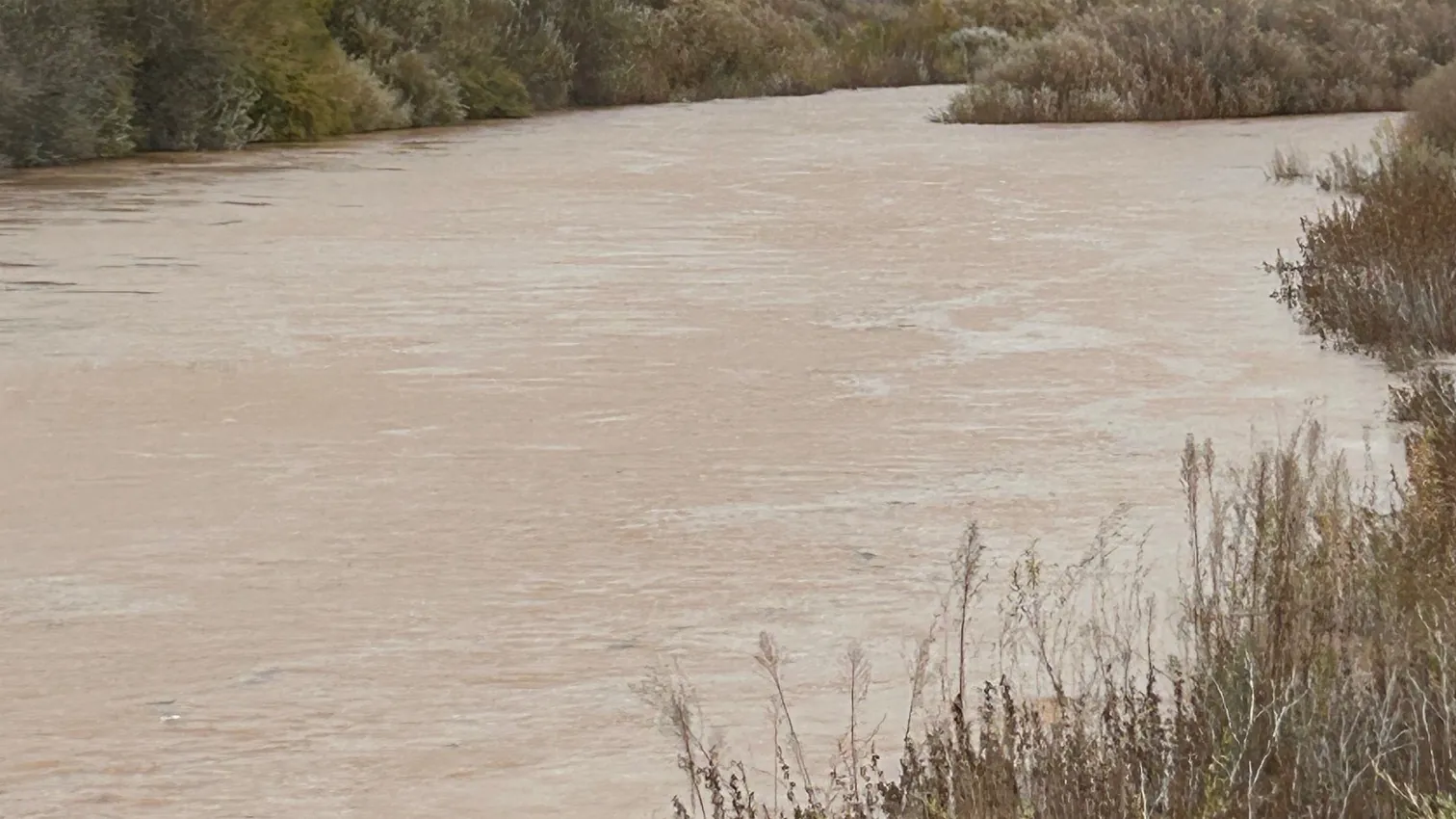
Rio Grande flooding, New Mexico, 2026

Case studies

Recent deployments, real results.

My work over the past year in disaster recovery, mass care, and exercise evaluation, plus the leadership experience behind it.

The challenge

In the Fall of 2026, New Mexico was hit by several major rain events driven by El Niño weather patterns, bringing record flooding to communities and tribal nations across the state.

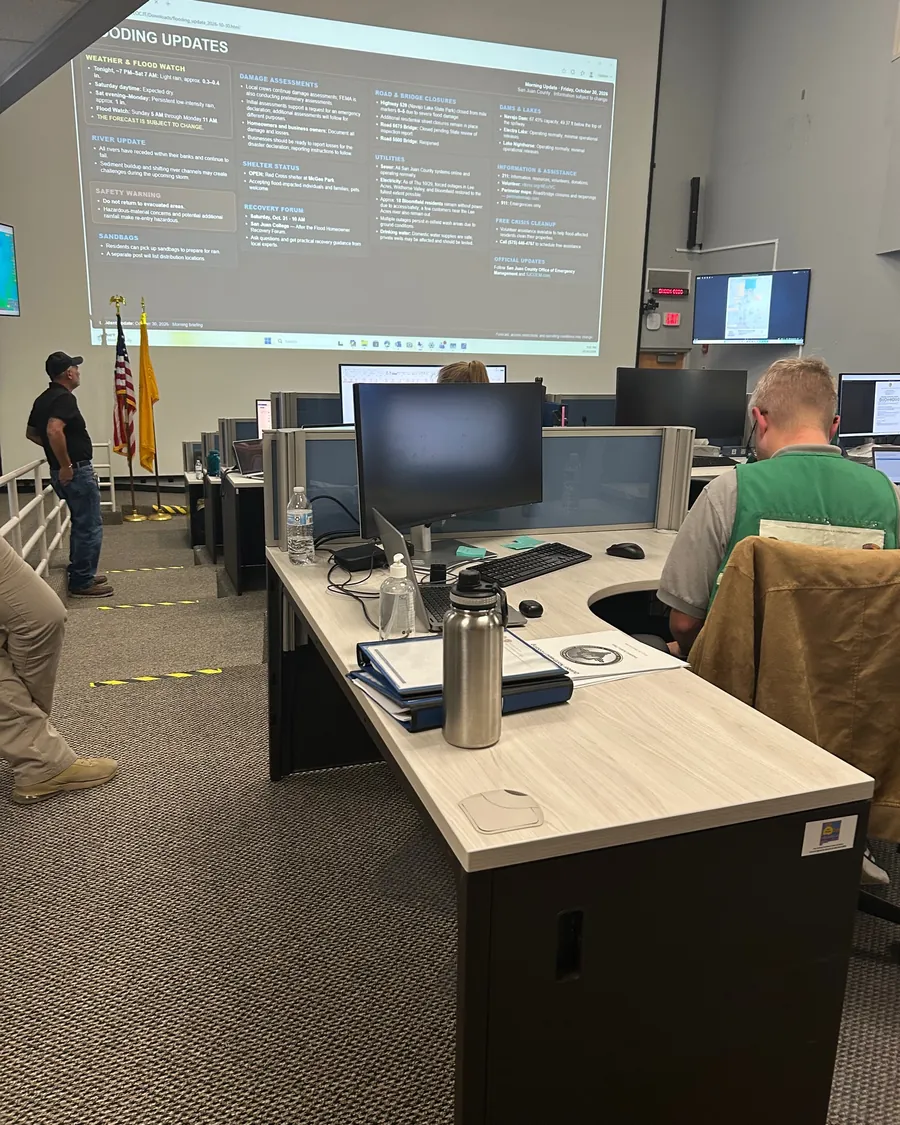
The New Mexico Department of Homeland Security and Emergency Management (DHSEM) fully activated the State Emergency Operations Center to coordinate response and recovery, including the damage assessments needed to support state and federal assistance.

My role

I served as a Community Liaison in the DHSEM-led response, assigned to Santa Fe, Socorro County, Valencia County, and Rio Arriba County, including the Village of Chama. I supported tribal communities and hard-hit areas, coordinating resources and damage assessments with the State of New Mexico, FEMA, and the U.S. Small Business Administration (SBA).

My approach

I worked alongside damage assessors, debris specialists, and local governments to keep essential services running, starting with drinking water and wastewater systems. My priority was getting damage assessments completed quickly and accurately, so critical infrastructure repairs could move forward and families and businesses could be considered for assistance.

I worked directly with Village of Chama leaders to assess damage and address concerns about wastewater and drinking water quality, and coordinated with FEMA and the SBA to get Chama’s damage evaluated.

The results

We completed more than 100 damage assessments with FEMA across Santa Fe and Socorro, Valencia, and Rio Arriba counties.

The value I bring

This deployment reflects how I work in the first weeks after a disaster: building trust with tribal and local leaders, coordinating state and federal partners, and turning field information into the documentation that opens the door to recovery assistance. Through Double T Consulting, I bring that experience to jurisdictions preparing for, responding to, or recovering from major disasters.

From the deployment
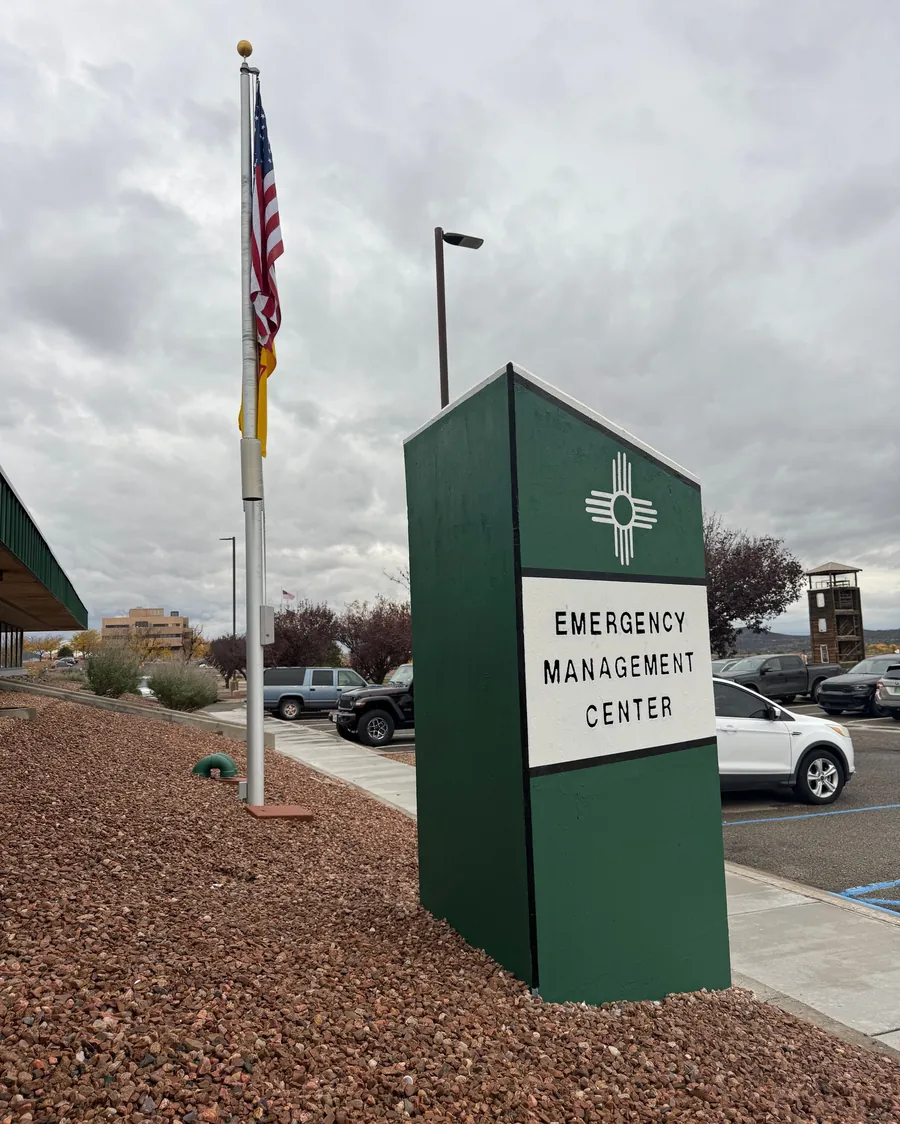
Emergency Management Center, New Mexico
EOC operations during the New Mexico flooding
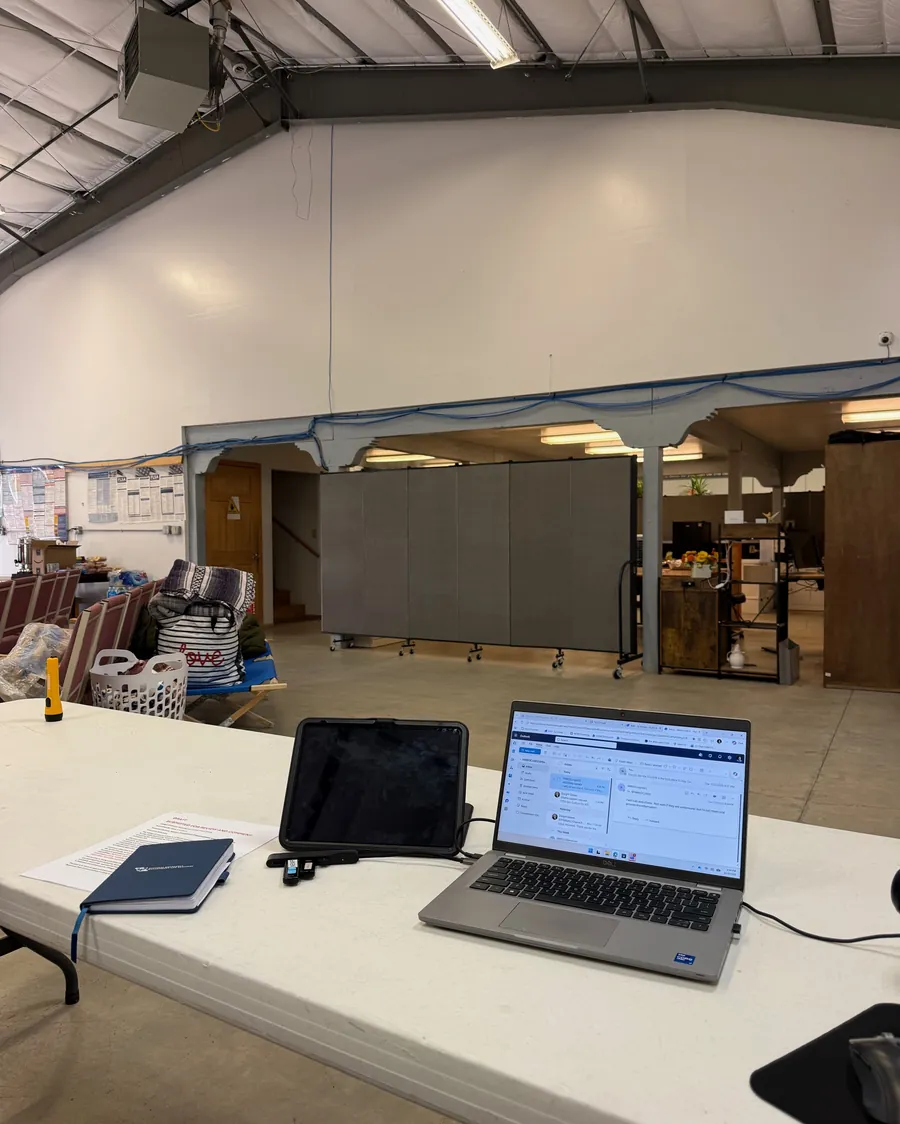
Village of Chama EOC

The challenge

In October 2026, Hurricane Isaias formed in the Gulf and became a major hurricane. Isaias struck the Gulf Coast and caused significant damage to areas within the impacted zone.

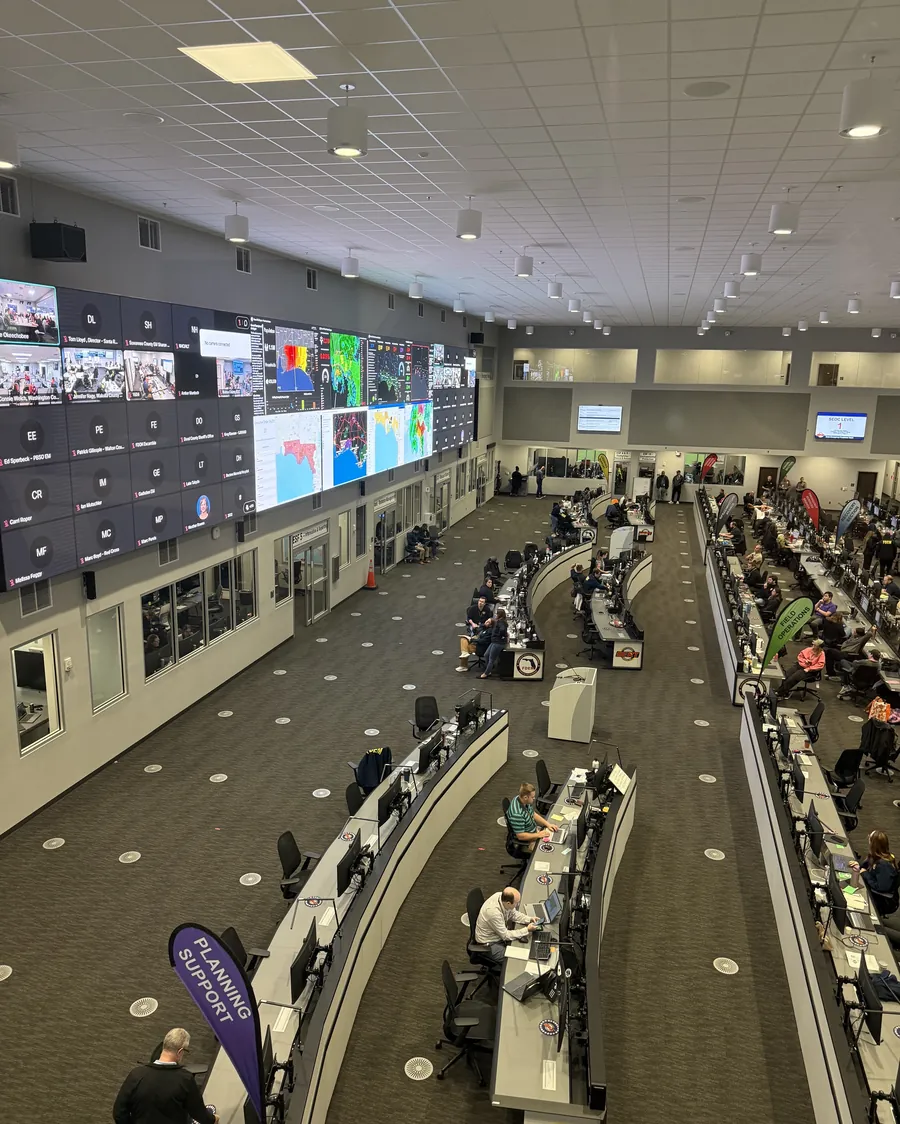
The Florida Division of Emergency Management (FDEM) fully activated the State Emergency Operations Center to coordinate response and recovery, including assistance for businesses and individuals impacted by the storm.

My role

I served as an incident commander within Mass Care & Assistance (ESF-6). Working in tandem with volunteer networks and faith-based organizations, we assisted in the Florida panhandle by providing community liaison teams who could support recovery efforts for those who were impacted. I supported this effort by providing support to the teams in the field, who were working with local responders to get help where it was needed most.

My approach

I worked directly with state and local officials to support our teams as they responded to requests for assistance involving housing, food, and water.

The results

We completed over 50 requests to assist individuals with needs that included food, shelter, and basic provisions. Social workers and support specialists were able to troubleshoot and provide support to individuals who were impacted by the storm and collaborate with local first responders who were working in the field.

The value I bring

Emergency management and response is critical for those in need. I deployed to Tallahassee ahead of Hurricane Isaias making landfall and collaborated with other first responders to prepare for impact. We worked in partnership with state and local officials to provide the necessary response through individuals and collaboration.

From the deployment

Emergency operations center, Tallahassee, during the Hurricane Isaias response

The challenge

In November 2025, the State of Arizona conducted “Operation Phoenix.” This full-scale exercise focused on protection and response to establish and maintain the emergency repatriation of U.S. citizens through Phoenix Sky Harbor International Airport. The exercise involved multiple local, state, and federal agencies over two days.

My role

I served as a Controller/Evaluator for this exercise and focused on several activities that were critical to the process. Specifically, I worked with a team of HSEEP (Homeland Security Exercise and Evaluation Program) specialists to evaluate the State of Arizona’s ability to transport evacuees, provide for their critical needs, and process them efficiently so that they could return home.

My approach

I worked alongside staff and evaluators to evaluate the process from beginning to end, including staging locations, technology access, and support for evacuees with special needs. I also interviewed evacuees on how they were treated throughout the process. Staff within the exercise were extremely committed to their roles and took ownership of each step in a complicated process.

The results

We evaluated all phases of the exercise and provided structured participant feedback using a standardized process. This feedback was critical to the full-scale exercise, as it provided the team with strengths, gaps, and corrective actions they could implement right away.

The value I bring

I have completed FEMA HSEEP training and have participated in multiple full-scale exercises involving transportation, disaster recovery, and terrorism-related drills. Through Double T Consulting, I can provide an after-action report and improvement plan (AAR/IP) that helps an agency turn exercise results into action.

The challenge

In March 2014, the Oso landslide struck Washington state, claiming 43 lives and destroying the Steelhead Haven neighborhood. It was the deadliest landslide in U.S. history and triggered an unprecedented emergency response that shaped how Washington plans for landslide risk. A massive wall of mud and debris buried the neighborhood, blocked and badly damaged State Route 530, and dammed the Stillaguamish River.

Snohomish County and the State of Washington declared an emergency, and responders from multiple local, state, and federal agencies descended on the disaster in a coordinated effort.

Today, a memorial within the slide path honors each of the 43 people who lost their lives.

My role

As the elected Snohomish County Sheriff, I led the Sheriff’s Office response and worked alongside the county Department of Emergency Management, state agencies, FEMA, and hundreds of responders and volunteers.

My approach

We used air assets to locate survivors and keep conditions safe for emergency workers. We also quickly developed a plan with multiple responder agencies to safely bring community volunteers into the search and rescue effort.

Not only was the damage widespread, but it was in a remote area that had completely cut off a small community. We worked with FEMA and outside experts over months to stabilize the impacted area, and we brought in technology and experts to identify victims and bring them home to their families.

The results

All 43 victims were recovered and returned to their families. The search continued until the last victim was found on July 22, 2014.

Community volunteers were safely integrated into search and rescue operations alongside professional teams. I worked with elected leaders at the county, state, and federal level to enhance search and rescue planning and operations.

Mutual aid and our partnership with the Snohomish County Department of Emergency Management gave us a path for working with victims’ families throughout the recovery.

The value I bring

Oso taught me what a long, high-stakes recovery demands: unified command across agencies, safe integration of volunteers, and keeping families at the center of every decision. Through Double T Consulting, I help jurisdictions plan for catastrophic events before they happen, so the hardest decisions aren’t being made for the first time in the middle of a disaster.